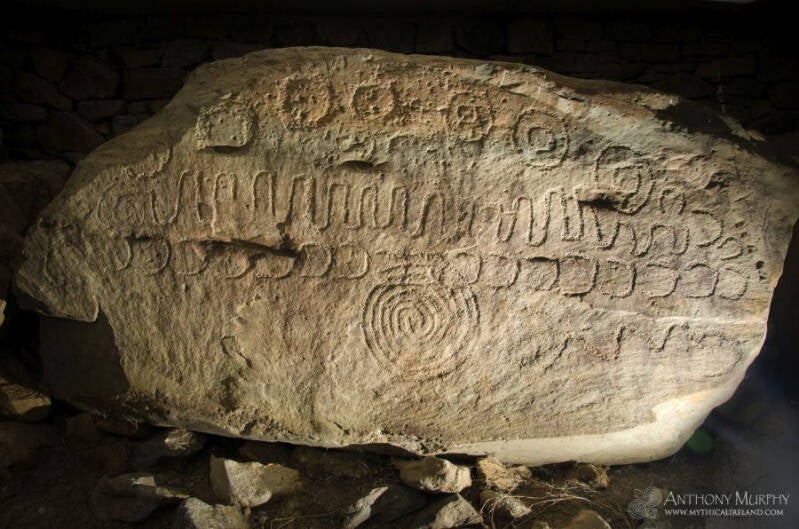
Across ancient civilizations, numbers were not viewed as abstractions, but as expressions of structure and rhythm. From Sumerian lunar records to Egyptian temple architecture and Greek philosophical systems, numerical patterns were used to interpret cycles in nature, society, and individual life.
Early cultures observed that events repeated in predictable intervals. Agricultural seasons, celestial movements, and human life stages followed rhythms that could be tracked numerically. Over time, these observations formed the foundation of numerology, a system that emerged before formal mathematics and shaped how people understood destiny and change.
Rather than predicting the future, ancient numerology functioned as a contextual framework. It placed individuals and societies within larger cycles, helping them interpret periods of growth, decline, and transition. Its survival across thousands of years suggests that humans consistently recognized meaning in numerical repetition, even as scientific explanations evolved.
Today, in a world dominated by data and algorithms, the ancient instinct to search for patterns through numbers appears less obsolete than once assumed. Numerology endures not as superstition, but as one of humanity’s earliest attempts to understand structure beneath experience. Learn More